Spiral Wound Lining: A Sustainable and Trenchless Pipe Rehabilitation Method

 EN
EN
 Русский
 简体中文
简体中文
 Árabe
Árabe
 Español
 Français
 Deutsch
 Português
 日本語
日本語
 한국어
한국어
 हिंदी
हिंदी
 Prancis
 Türkçe
 Tiếng Việt
 Italiano
 ไทย
ไทย


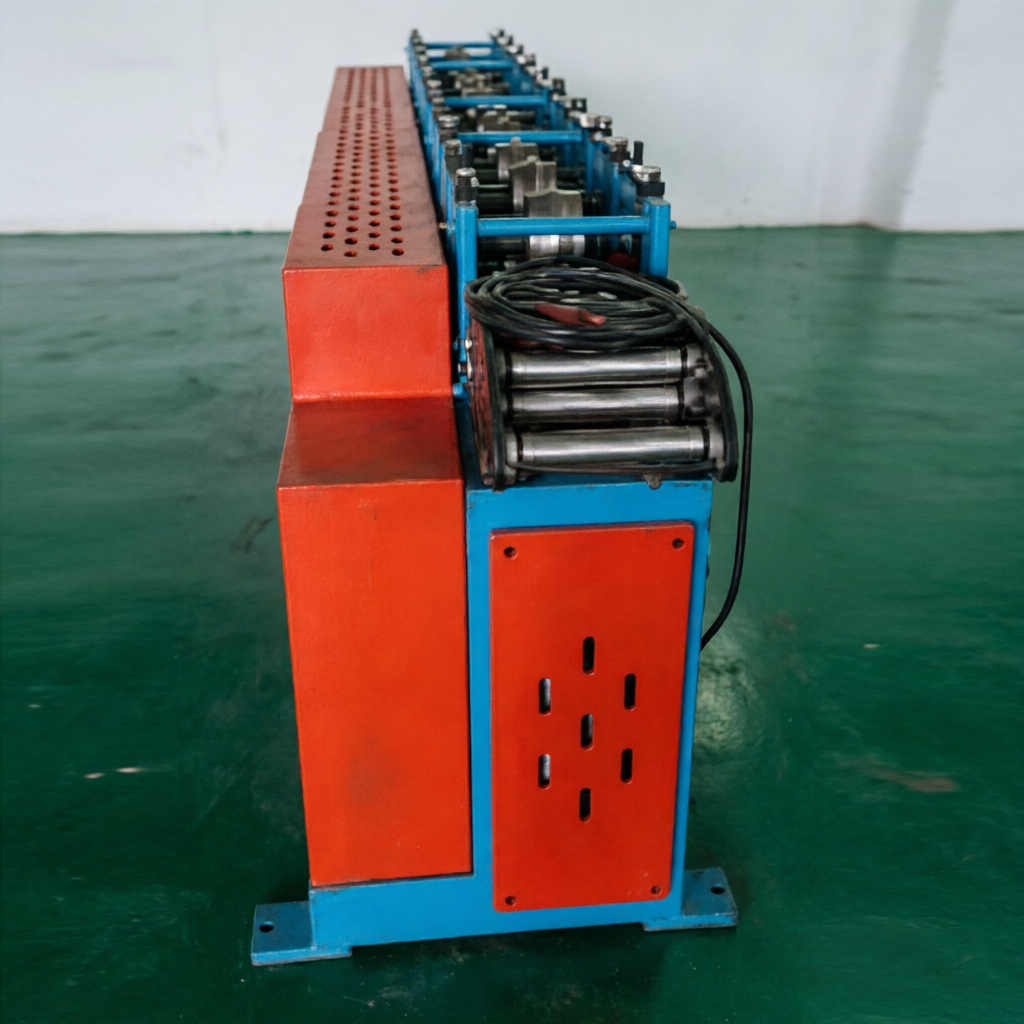
Spiral Wound pipe rehabilitation machinery
Spiral Wound Lining: A Sustainable and Trenchless Pipe Rehabilitation Method
Spiral Wound Lining Benefits
Spiral wound lining is distinctive among other pipe rehabilitation technologies because it is both 100% trenchless and customizable. It can be used in non-circular rehabilitation, such as for square or rectangular boxes and pipes. It’s one of the only trenchless technology methods that allows this type of customization.
Compared to other trenchless technology methods, spiral wound lining can be a time-efficient method. It allows restored pipes to be returned to service quickly. The equipment also does not require excavation, meaning contractors do not need to dig and refill pits to complete the rehabilitation. This method is often completed without the need for full bypass of existing flows allowing contractors to save time and money. Of course, each method has its limits—machine-wound lining can only be installed with approximately 30% flow depth or less.
Product Details
Modern trenchless technology has been in the works since 1970. Since then, we have utilized innovative methods, such as horizontal directional drilling, horizontal auger boring, cured in place pipe lining, and pipe bursting, to repair, maintain, and replace pipelines. Another method in this trenchless technology revolution is spiral wound pipe lining, which first appeared in the 1980s
Like other trenchless methods still in their infancy, some entities and contractors hesitate about using spiral wound lining. However, this unique pipe rehabilitation method causes minimal surface disturbance compared to other trenchless technologies.
How It Works
How Does Spiral Wound Pipe Lining Work?
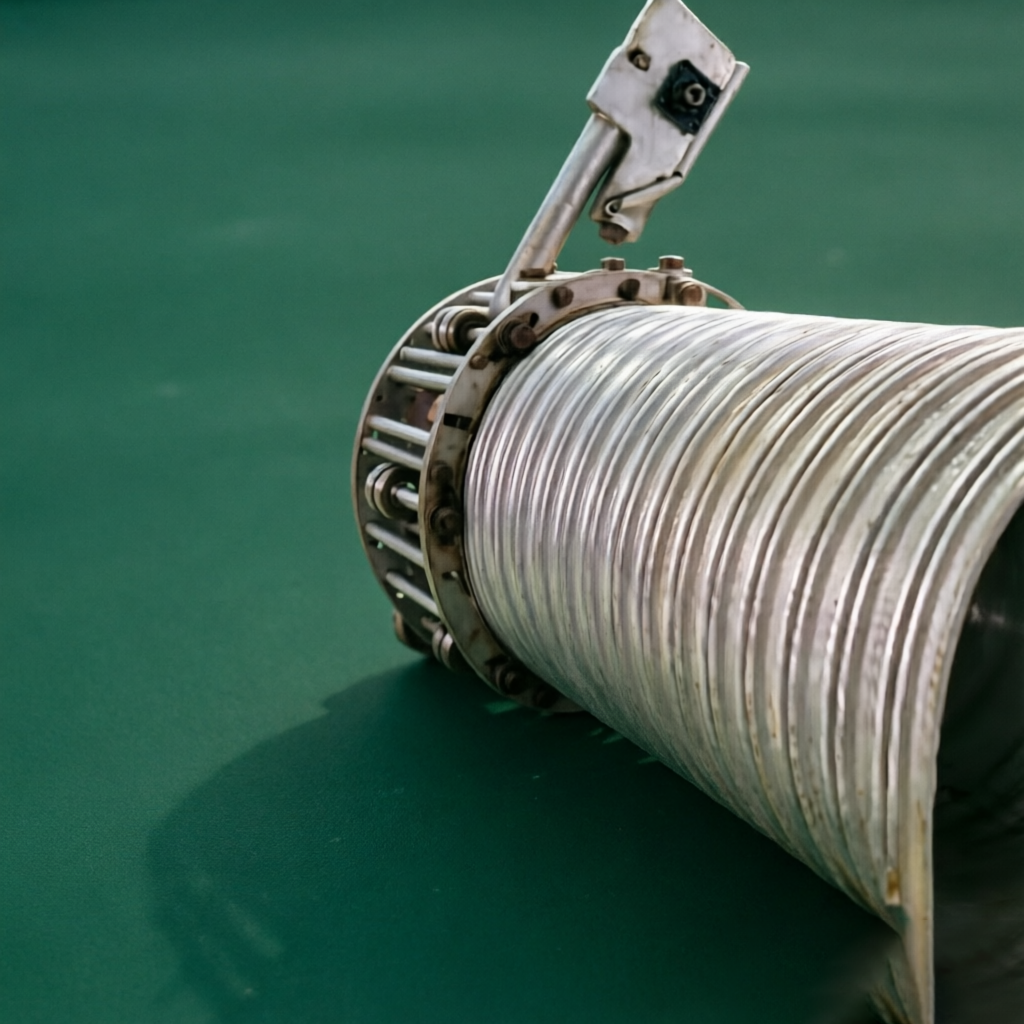
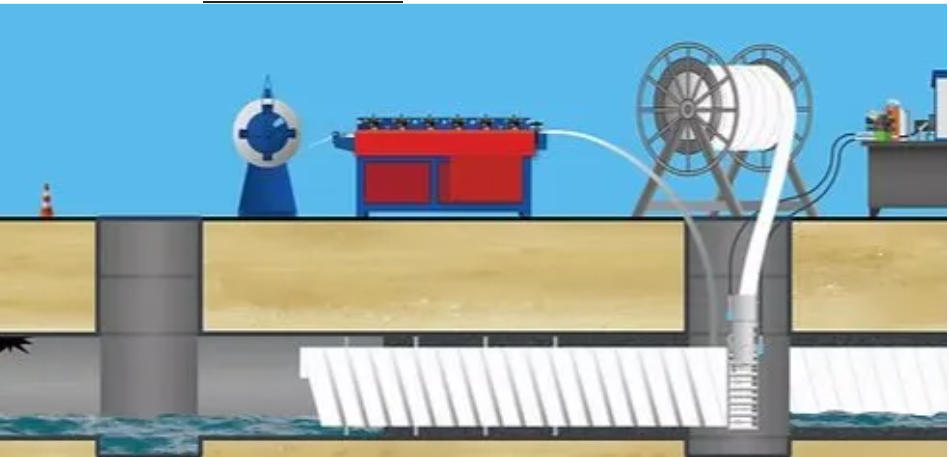
The spiral wound lining method involves building a new pipe within an existing pipe. It doesso by feeding a continuous eight- to 12-inch-wide strip of polyvinyl chloride (PVC) or high-density polyethylene (HDPE), from above ground through an existing access point and then winding it into the pipe. As the thin strip winds into the existing pipe, the material joins together, molding to the original pipe’s shape. After the new lining is in place, cementitious grout is installed in the annular space between the existing pipe and the new lining. The method of joining the continuous spiral joint can be done in three ways—tongue and groove joint by hand, tongue and groove joint by machine, or fusion joint by machine.
Applications
Machine Vs. Manual Spiral Wound Lining
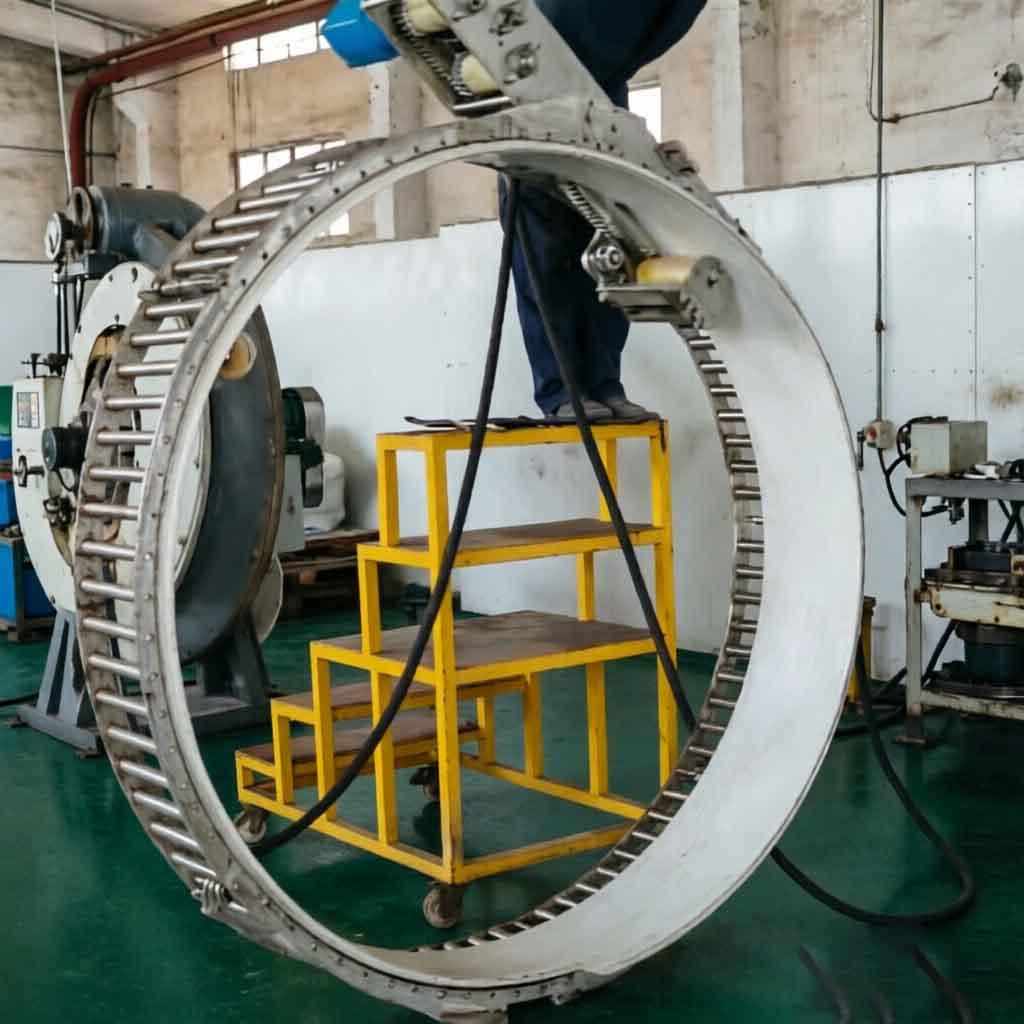
Both machine and manual methods utilize plastic with a ribbed profile design to rehabilitate culverts, storm drains, and sewer pipes, but there are key differences to note. The machine-wound process uses spools to unwind the plastic strip and feed it into hydraulically-powered stationary machines or traversing machines within or at the pipe’s entrance. The machines continuously wind the material into the host pipe and mechanically lock or fuse the joints together. This method creates joints that are watertight and impervious to root intrusion.
Manually-wound liners are best suited for large pipe installations. This method is usually used for 36-inch diameter pipes and above since the space needs to be large enough for a person to enter the pipe. The PVC comes in coils or panels that workers can lower into the pipe. Workers then join the edges of the material together incorporating male and female double locking edges as they move their way down the length of the pipe, creating a water-tight seal. Any space left between the material and the host pipe is then filled with cementitious grout.
Our Solution
The Challenges of Spiral Wound Lining
This method requires extensive quality control. In the case of the fusion joints by machine wound lining method, workers need proper training to ensure the material is properly fusion welded at optimal temperatures. If not done correctly, the joints could fail at any moment, and no one would notice until it is too late.
The spiral wound lining method is also not ideal for sharp bends or long stretches of pipe rehabilitation. Since the equipment for this method is driven by hydraulics, it does not have the power to maintain the speed of installation or stability of the new pipe beyond about 1,500 feet.
When using the spiral wound lining method, engineers and entities must account for the new pipe’s smaller interior diameter. This is because the empty space between the old pipe and the new pipe will be filled with cementitious grout, which will decrease the pipe’s diameter. Although it may seem small, this may reduce the rehabilitated pipe’s carrying capacity. In some cases, the hydraulic capacity is maintained or improved because the new lining is significantly smoother than the host pipe.
Overall, spiral wound lining is beginning to pick up steam in the US,it as a sustainable alternative to other invasive pipe restoration construction methods. States taking interest in this method are drawn in by the minimal excavation and the absence of air quality concerns that result with other rehabilitation methods due to chemicals released during the curing process.
Inquire Now
product Name:Spiral Wound Lining: A Sustainable and Trenchless Pipe Rehabilitation Method
Related products


-
Contact Us
Xinjiang Road, Beiguan Industrial Park, Jiaozhou City, Qingdao, Shandong Province -
Products
ONLINE MESSAGE

